Understanding Diets of One of the World’s Most Fascinating Cichlid Groups
Lake Tanganyika, one of the oldest and deepest lakes on Earth, is home to some of the most extraordinary cichlids in the aquarium hobby. From the majestic Frontosa to the tiny but charismatic shell dwellers, Tanganyikan cichlids evolved in a highly specialized ecosystem where diet plays a critical role in health, growth, and longevity.
Understanding how these fish feed in nature is the key to keeping them thriving in the aquarium.
The Unique Feeding Ecology of Tanganyikan Cichlids
Unlike many tropical fish that share similar diets, Tanganyikan cichlids fall into several very different feeding groups.
Herbivores – The Algae Grazers
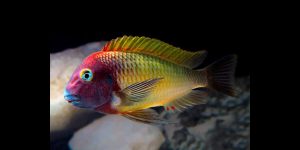
Species such as Tropheus spend most of their day grazing on algae and biofilm growing on rocks. Their digestive systems are adapted for plant-heavy diets rich in fiber.
Feeding high-protein or fatty foods to these species can often lead to digestive issues such as bloat, a common problem in Tanganyikan herbivores.
A diet rich in spirulina and plant-based ingredients helps replicate their natural feeding behavior.
Carnivores – The Predators
Larger species such as Frontosa are predators that feed on smaller fish and crustaceans. These fish require protein-rich diets that support muscle growth, coloration, and natural energy levels.
A well-balanced carnivore diet ensures proper growth while maintaining excellent water quality.
Micro Predators – The Small Hunters
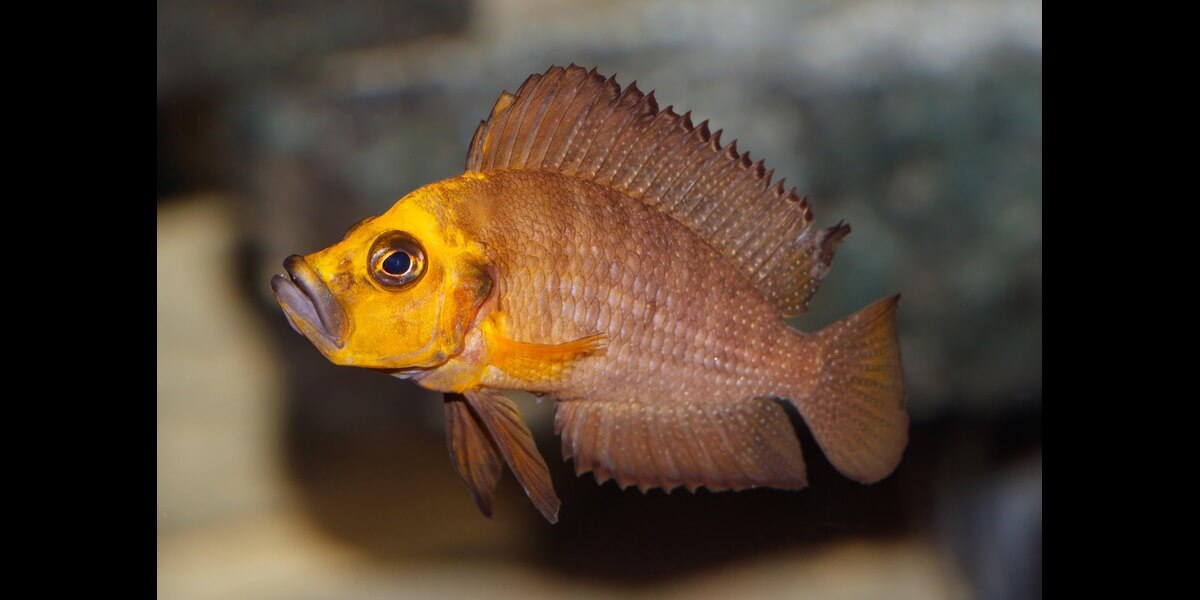
Shell dwellers like Neolamprologus multifasciatus and Lamprologus ocellatus, along with species like Julidochromis, feed primarily on tiny crustaceans, insect larvae, and zooplankton in the wild.
These fish do best with small-sized, high-quality pellets that mimic their natural prey.
Replicating Nature Through Proper Nutrition
Providing the correct food for each feeding type ensures:
- Strong immunity
• Healthy digestion
• Vibrant coloration
• Proper growth and breeding behavior
At Teraa, our cichlid nutrition line is designed specifically around these natural feeding patterns.
Matching the Right Food to the Right Fish
For Carnivorous Tanganyikans
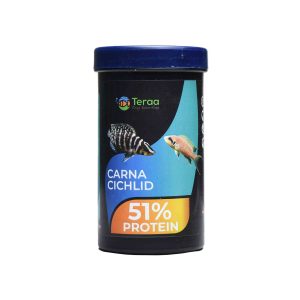
Designed for predatory cichlids such as Frontosa and other protein-demanding species, this formula provides a high-protein diet that supports strong growth and natural energy levels.
The formulation focuses on easily digestible marine and insect proteins that closely resemble what these fish consume in the wild.
For Micro Predators and Shell Dwellers
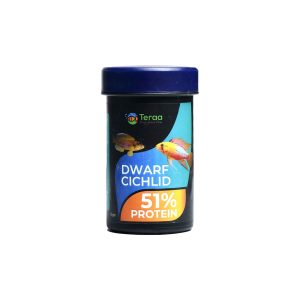
Tiny predators require appropriately sized food that they can easily consume. Teraa Dwarf Cichlid offers micro-sized pellets rich in insect-based protein, ideal for shell dwellers, Julidochromis, and other small Tanganyikan species.
This helps ensure optimal feeding behavior while minimizing waste in the aquarium.
For Herbivorous Grazers
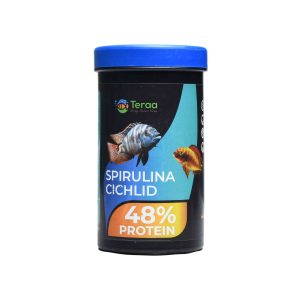
Herbivorous Tanganyikan species thrive on plant-rich diets. Teraa Spirulina Cichlid is formulated with spirulina and algae-based nutrition to support digestive health and natural grazing species like Tropheus.
The fiber-rich composition helps maintain gut balance and prevents common digestive problems.
Supporting Digestive Health
All Teraa cichlid diets include carefully selected garlic extracts and beneficial probiotics.
Garlic is widely known in aquaculture for improving feed acceptance and supporting fish health, while probiotics help enrich the gut microbiome, allowing fish to digest nutrients more efficiently and maintain stronger immunity.
This combination ensures that Tanganyikan cichlids not only eat well—but absorb nutrition effectively.
Feed Smart, Keep Tanganyikans Thriving
Feeding Tanganyikan cichlids correctly is about more than just giving food—it’s about replicating the natural ecology of Lake Tanganyika.
When the right diet meets the right species, the results are unmistakable:
- active behavior
• vibrant coloration
• stable digestion
• healthier breeding fish
With species-specific nutrition designed around natural feeding strategies, Teraa helps bring the science of aquarium nutrition closer to nature.