Why Plant-Rich Diets and Sinking Pellets Are Ideal for Grazing Cichlids
Herbivorous cichlids are some of the most active and fascinating fish in the aquarium hobby. Species such as Mbuna from Lake Malawi, Tropheus from Lake Tanganyika, and other algae-grazing cichlids spend much of their day constantly feeding in the wild.
Unlike carnivorous predators, these fish are naturally adapted to consume plant material, algae, and biofilm growing on rocks and surfaces.
Providing the correct diet—especially one rich in plant nutrition—is essential for maintaining their digestion, coloration, and long-term health.
Understanding the Natural Diet of Herbivorous Cichlids
In their natural habitats, herbivorous cichlids spend most of their time grazing on:
- algae growing on rocks
• biofilm and plant matter
• small microorganisms trapped within algae
Species such as Mbuna and Tropheus constantly scrape surfaces with specialized teeth designed for grazing.
Because these fish evolved to eat plant-based foods throughout the day, their digestive systems are longer and specialized for fiber-rich diets.
Feeding foods that are too rich in animal protein can often lead to digestive stress and health issues. A balanced diet with strong plant components helps replicate the conditions these fish experience in nature.
Why Spirulina Is Essential for Herbivorous Cichlids
One of the most valuable ingredients for herbivorous fish diets is spirulina, a nutrient-rich algae widely used in aquaculture.
Spirulina provides several benefits for grazing cichlids:
- high-quality plant protein
• natural carotenoids that enhance coloration
• vitamins and minerals that support vitality
• easily digestible plant nutrients
For fish that naturally consume algae, spirulina becomes an ideal ingredient that closely reflects their natural diet.
A spirulina-rich food helps maintain both digestive stability and vibrant coloration in herbivorous cichlids.
Why Sinking Food Is Ideal for Grazing Species
Many herbivorous cichlids naturally feed along rocks, substrate, and lower areas of the aquarium.
Sinking food allows pellets to descend through the water column and settle where fish can feed comfortably in their natural grazing posture.
This provides several advantages:
- encourages natural feeding behavior
• reduces aggressive surface competition
• allows fish to graze calmly across the aquarium
• helps distribute food more evenly
Sinking foods also prevent fish from gulping air at the surface, supporting more natural feeding habits.
Designed for Herbivorous Cichlids
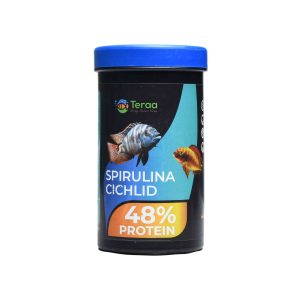
Teraa Spirulina Cichlid is developed specifically for algae-grazing cichlids that require plant-focused nutrition.
The food uses 0.75 mm crumbled sinking pellets, allowing fish to capture and consume food easily while mimicking the small algae particles they naturally graze on.
The crumbled pellet structure ensures that fish can feed comfortably without struggling with oversized pellets while also minimizing uneaten food in the aquarium.
Ideal for Popular Herbivorous Cichlid Species
Mbuna Cichlids
Mbuna from Lake Malawi are famous algae grazers that constantly scrape rocks for food. A spirulina-rich diet closely matches the plant material they naturally consume.
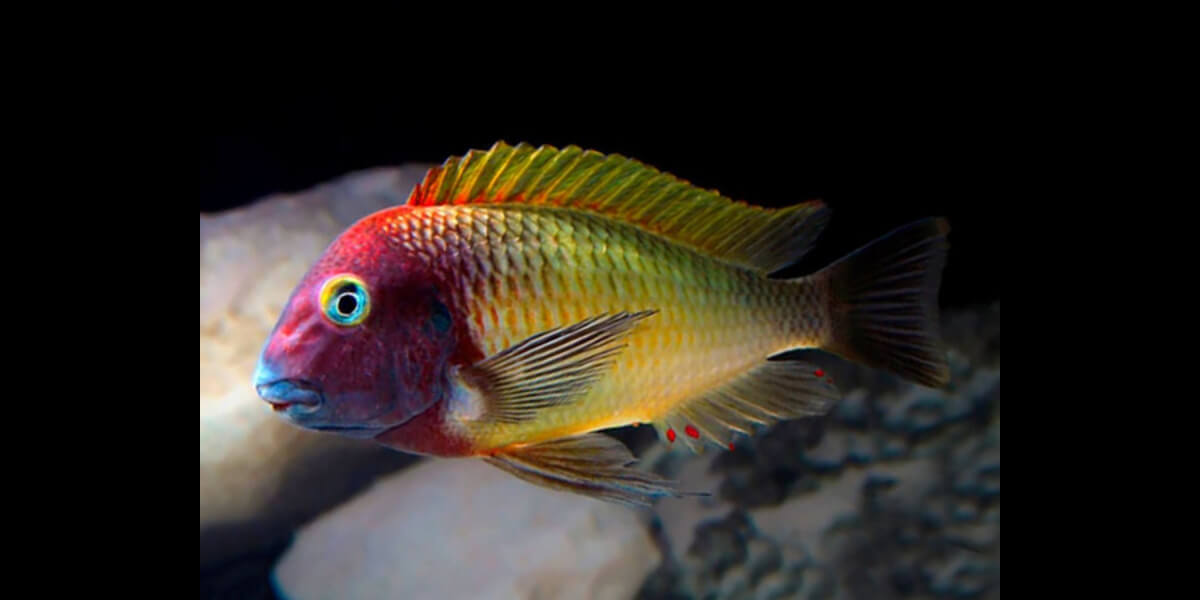
Tropheus
Tropheus are specialized herbivores that rely heavily on algae and plant matter. Providing plant-based nutrition helps maintain their digestive stability and natural feeding patterns.
Other Grazing Cichlids
Many rock-dwelling cichlids benefit from diets that emphasize plant nutrition. A spirulina-focused food supports healthy digestion while encouraging natural grazing behavior.
Supporting Digestive Health
All Teraa foods are enhanced with garlic extracts and beneficial probiotics.
Garlic helps improve feed acceptance and supports fish vitality, encouraging consistent feeding behavior.
Probiotics help maintain a healthy gut microbiome, allowing herbivorous fish to digest plant-based nutrients more efficiently.
This combination supports:
- improved digestion
• better nutrient absorption
• stronger immunity
Healthy digestion is particularly important for herbivorous species that rely heavily on plant-based diets.
Cleaner Feeding for Active Aquariums
The 0.75 mm crumbled pellet structure allows herbivorous cichlids to consume food efficiently while minimizing waste in the aquarium.
Efficient feeding helps maintain:
- cleaner aquariums
• reduced organic waste
• stable water conditions
Stable water quality is essential for maintaining active and healthy grazing cichlids.
Nutrition Designed for Grazing Cichlids
Herbivorous cichlids thrive when their diet reflects the algae-rich environments they evolved in.
By providing plant-focused nutrition in an appropriately sized sinking pellet, aquarists can help maintain natural feeding behavior and digestive stability.
With its spirulina-rich formulation, 0.75 mm sinking crumbled pellets, and digestive support from garlic and probiotics, Teraa Spirulina Cichlid offers a feeding solution designed specifically for herbivorous cichlid species.